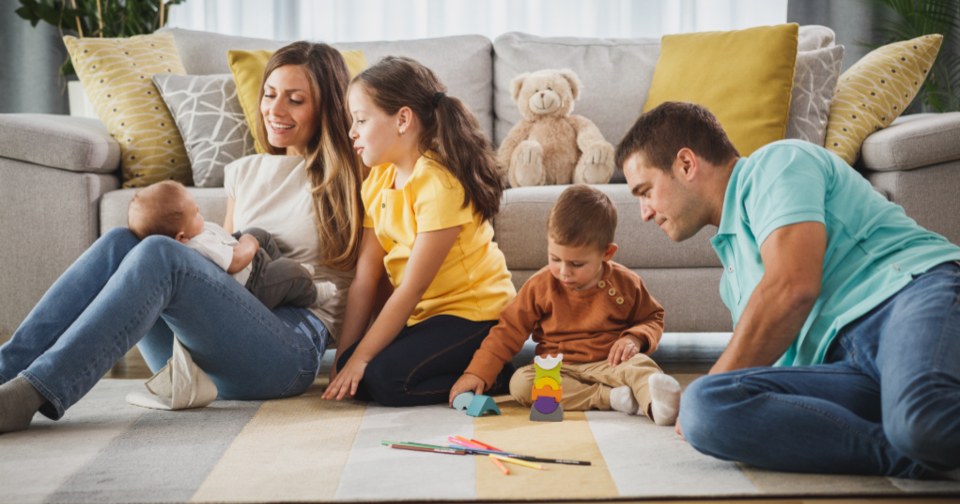
Staying active together can be a simple, enjoyable way for a family to build healthy everyday habits. It does not need special equipment or a big schedule change. This article shares easy, general ideas for moving more as a family, from toddlers to grandparents.
Why Moving Together Matters
Regular physical activity is widely considered part of a healthy lifestyle for people of all ages. When the whole family joins in, movement stops feeling like a chore and starts feeling like quality time.
Children often copy what they see adults do. If they see you enjoying a walk or a game outside, they may be more likely to see activity as a normal, fun part of life.
Moving together can also help families:
- Spend more time talking and connecting without screens
- Build routines that everyone can look forward to
- Share small wins and celebrate effort rather than performance
- Create happy memories that last
Start Small and Keep It Realistic
Many families give up on activity plans because they start too big. A better approach is to begin with something small and easy to repeat.
Think about what your family already enjoys. If everyone likes music, try a short dance break in the living room. If you like being outdoors, a relaxed walk around the neighborhood after dinner is a good place to begin.
Here are some tips for getting started:
- Pick one activity that fits your current schedule.
- Choose a regular time, such as after school or on weekend mornings.
- Keep the first sessions short and relaxed.
- Let each family member help choose the activity now and then.
- Add more time or variety slowly, as everyone feels comfortable.
Easy Activity Ideas for Every Age
Families are made up of people with different ages, interests and energy levels. The best activities are flexible and can be adjusted for everyone.
Ideas for Young Children
- Playing tag, hide and seek or follow the leader
- Visiting a playground and joining in the fun
- Making an obstacle course with cushions and chairs at home
- Dancing or stretching to favorite songs
Ideas for Older Children and Teens
- Riding bikes or scooters together, using proper safety gear
- Kicking a ball around or playing a simple backyard game
- Taking a walk or hike on a local trail
- Letting teens plan a family outing that includes some movement
Ideas for Adults and Older Relatives
- Gentle walks at a comfortable pace
- Gardening or light yard work together
- Easy stretching or chair-based movement at home
- Playing games that let everyone take part at their own speed
If a family member has a health condition, an injury or any concern about being active, it is wise to talk with their doctor first about what is suitable for them.
Make Activity Part of Your Daily Routine
Activity does not always have to be a planned event. Small choices during the day can add up and fit naturally into a busy household.
- Walk or bike to nearby places when it is safe and practical.
- Take the stairs when you can.
- Do a quick stretch together before breakfast or bedtime.
- Turn chores into team activities, such as a family tidy-up with music.
- Take a short walk after meals to talk about the day.
Tying movement to something you already do, like after dinner, makes it easier to remember and easier to keep going.
Keep It Fun, Safe and Encouraging
The goal is enjoyment, not perfection. Try to focus on having fun and being together rather than on how fast or how far anyone goes.
A few simple safety habits can help everyone feel comfortable:
- Wear comfortable clothes and supportive shoes.
- Bring water, especially on warm days.
- Choose safe, well-lit places and follow local safety guidance.
- Use helmets and other protective gear for activities that call for it.
- Listen to your body and rest when you need to.
Encouragement matters too. Praise effort and participation, and avoid comparing family members. Some days will be busier than others, and that is perfectly normal. If you miss a day, simply start again.
Stay Active Through Changing Seasons
Weather and daylight can change your plans, so it helps to have a few indoor options ready. On rainy or cold days, you might try an indoor dance party, a simple stretching routine, or a game of balloon volleyball in the living room.
When the weather is pleasant, take advantage of it with a picnic walk, a visit to a park or a relaxed evening stroll. Having both indoor and outdoor ideas means your routine can continue all year.
It can also be helpful to keep a simple family list of favorite activities on the fridge. When someone says, “What should we do?”, you will already have ideas to pick from.
Talk About It as a Family
Family habits work best when everyone has a voice. Take a few minutes to ask each person what they enjoy, what they would like to try, and what feels too hard or boring. Children often have great ideas, and older relatives may suggest activities you had not considered.
You might also set a simple, shared goal, such as “we will go for a walk together a few times this week.” Keep goals gentle and flexible, and check in now and then to see what is working. If something is not fun, change it. A habit that people enjoy is far more likely to last than one that feels forced.
Finally, remember that every family is different. Work schedules, local surroundings, health needs and budgets all shape what is possible. There is no single right way to do this, and a small step that suits your household is always a good step.
Conclusion
Being active as a family does not require a big plan or special gear. Start with small, enjoyable activities, choose options that suit every age and ability, and build movement into your regular routine. Keep it positive, keep it safe, and focus on time together. Over time, these small habits can become a natural and happy part of your family life.
This article is for general educational purposes only and does not replace professional medical or insurance advice. Coverage, costs and rules vary by plan, provider and location, so please check your own plan documents and speak with your doctor or a licensed insurance professional about your situation.